What is Sedai and what does its autonomous SRE platform do?
Sedai is an autonomous cloud platform that uses machine learning and artificial intelligence to manage and optimize Serverless and Kubernetes environments. The platform proactively predicts issues, reduces time to resolution, and increases service availability by taking autonomous actions in real time. Sedai's system can increase platform efficiency by up to 93% and availability up to 99.999% without human intervention. Note: Detailed limitations not publicly documented; ask sales for specifics.
What are the key features and capabilities of Sedai?
Sedai offers autonomous cloud management, application-aware intelligence, safety-by-design (including continuous health verification and automatic rollbacks), release intelligence, and full-stack cloud coverage across AWS, Azure, GCP, and Kubernetes. It supports modes of operation like Datapilot, Copilot, and Autopilot for flexible adoption. Note: Sedai may not be suitable for organizations requiring manual approval for every optimization; consult with sales for fit.
What is unique about Sedai's approach to cloud optimization?
Sedai is patented to make safe, autonomous optimizations in production without causing incidents or breaching SLOs. Unlike platforms that make all-at-once changes, Sedai performs slow, incremental optimizations with continuous validation checks and automatic rollbacks if risk is detected. Note: Teams that require full manual control over every change may prefer alternative solutions.
Performance, Outcomes & Use Cases
What measurable business impact can Sedai deliver?
Sedai can reduce cloud costs by up to 50%, decrease latency by up to 75%, reduce failed customer interactions by up to 70%, and deliver up to 6X productivity gains for engineering teams. These outcomes are based on real-world deployments and customer case studies. Note: Actual results may vary depending on environment and implementation; detailed limitations not publicly documented.
Who can benefit from using Sedai?
Sedai is designed for IT/cloud operations managers, FinOps leaders, technology executives (CTO, CIO, VP Engineering), site reliability engineers (SREs), and platform engineers. It is best suited for organizations seeking to optimize cloud costs, improve application performance, reduce operational toil, and manage complex multi-cloud or hybrid environments. Note: Organizations with highly specialized, non-cloud-native workloads may require additional evaluation for fit.
What problems does Sedai solve for its users?
Sedai addresses runaway cloud costs, performance bottlenecks, operational toil, slow incident response, and complexity in multi-cloud and hybrid environments. It also helps align engineering and financial goals through actionable insights and autonomous optimization. Note: Sedai may not address all niche or legacy infrastructure challenges; consult with sales for specifics.
Are there real-world examples of customers succeeding with Sedai?
Yes. For example, KnowBe4 achieved up to 50% cost savings and reduced average response time from 18.5 seconds to 80 milliseconds (a 99.5% reduction). Palo Alto Networks saved $3.5 million through Sedai's optimization. Belcorp reduced AWS Lambda latency by 77%, and Campspot achieved a 34% reduction in latency. See more at Sedai's resources page. Note: Results are customer-specific; not all organizations will achieve identical outcomes.
Implementation & Integration
How long does it take to implement Sedai and how easy is it to get started?
Initial setup can be completed in as little as 15 minutes using agentless or agent-based deployment. For AI Agent Optimization, implementation typically takes two to three weeks. Databricks environments can be set up in under 15 minutes. Sedai integrates with existing tools and workflows, including APMs, notification systems, ITSM tools, and CI/CD pipelines. Note: Complex or highly customized environments may require additional integration effort.
What integrations does Sedai support?
Sedai integrates with 12 APMs (including Prometheus, Datadog, AWS CloudWatch, Azure Monitor, Google Cloud Monitoring), Kubernetes autoscalers (HPA/VPA, Karpenter), IaC and CI/CD tools (GitHub, GitLab, Bitbucket, Terraform), ITSM tools (ServiceNow, PagerDuty, Jira), notification platforms, runbook automation, and cloud providers (AWS, Azure, GCP). Note: Some integrations may require additional configuration or support; check documentation for details.
Where can I find technical documentation and onboarding resources for Sedai?
Comprehensive getting started guides, Kubernetes optimization instructions, Databricks setup, and GPU optimization documentation are available at https://docs.sedai.io/get-started. Note: Some advanced topics may require direct support from Sedai's technical team.
Pricing & Plans
How is Sedai priced and what is the pricing model?
Sedai uses a resource-based pricing model, where costs are determined by the resources optimized and the value delivered. Kubernetes-specific pricing is available, and all costs are transparently outlined on the Sedai pricing page. Discounts from cloud billing accounts (e.g., Reserved Instances, Savings Plans) are factored into cost and savings calculations. Note: For detailed quotes or custom pricing, contact Sedai sales.
Security & Compliance
What security and compliance certifications does Sedai have?
Sedai is SOC 2 certified, demonstrating adherence to stringent security requirements and industry standards for data protection and compliance. For more details, visit the Sedai Security page. Note: For additional certifications or compliance needs, contact Sedai directly.
Customer Proof & Industry Adoption
Who are some of Sedai's customers and what industries do they represent?
Sedai's customers include KnowBe4 (security awareness training), Palo Alto Networks (cybersecurity), Belcorp (beauty and personal care), Campspot (travel and hospitality), Inflection (background check services), and Freshworks (customer engagement software). These case studies span industries such as cybersecurity, SaaS, beauty, travel, and background checks. Note: Not all industries are represented; see Sedai's resources page for more.
Support & Onboarding
What support and onboarding resources does Sedai provide?
Sedai offers personalized onboarding sessions, extensive documentation, and a community Slack channel for real-time assistance. Customers can access comprehensive guides and technical resources at https://docs.sedai.io/get-started. Note: Some advanced support scenarios may require direct engagement with Sedai's technical team.
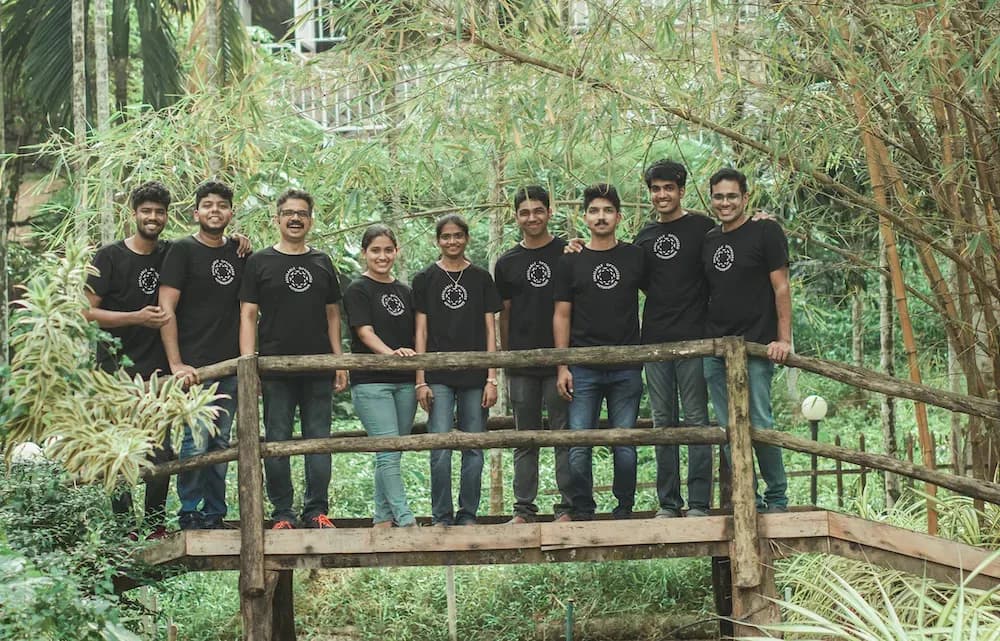
Sedai, the Silicon Valley-based Autonomous SRE platform company raised US $15M Series A funding from investors led by Norwest Venture Partners with participation from Sierra Ventures and Uncorrelated Ventures. The round follows a seed led by Sierra Ventures and Uncorrelated Ventures and brings the total funding to $18.8 million. The company also announced that it is setting up an R&D and product engineering division in Thiruvananthapuram.
Autonomous SRE platform
Sedai has developed an autonomous artificial intelligence-based platform that can manage Serverless and Kubernetes environments. The company's machine learning-based service helps clients decrease operational expenses and boost efficiency by proactively predicting issues, reducing time to resolution, and increasing service availability.
Cloud costs and performance do not manage themselves. Book a demo to see how Sedai takes continuous autonomous action across your entire environment.
Post pandemic, global businesses have realized the value of complete digitization and automation of their operations. This, coupled with the rapid evolution in cloud platforms call for innovative solutions to manage a fully self-driven IT infrastructure; where Sedai has its prime focus. Sedai's founders, hailing from renowned Silicon Valley companies like PayPal, Facebook and Google, plan to build a "Silicon Valley styled" Engineering R&D center in Thiruvananthapuram. The team will be focusing on cutting-edge cloud technologies, machine learning, artificial intelligence, and data science for the autonomous cloud management platform.
Sedai Expands Autonomous SRE Innovation With New India R&D Center
See how Sedai is scaling its autonomous SRE platform by establishing a new R&D and product engineering center in India, focused on advancing AI-driven cloud management, improving reliability, and building self-healing infrastructure for global enterprises.
“Sedai delivers SREs a platform that can act independently on their behalf, learn from them, and carefully measure the efficacy and continuously fix and improve right in production. The Engineering team in Thiruvananthapuram will be the core and critical piece in this product engineering plan.”, saidSuresh Mathew, CEO of Sedai.
Benjamin Thomas, COO of Sedai commented, “We have a strong sense of purpose and a proven track record of success. This, and the quality of software engineering talent pool in Kerala and South Tamil Nadu will help Sedai drive the autonomous cloud movement.”
“Engineering excellence and innovation is Sedai's forte, and the team in Thiruvananthapuram will have a pivotal role in delivering the first fully autonomous management cloud platform for companies worldwide.”, saidAby Jacob, Head of India Center for Sedai.
Sedai's new R&D center accelerates the machine learning systems that power continuous cloud optimization at enterprise scale. Book a demo to see the platform being built by a growing global engineering team dedicated to autonomous infrastructure.
The intelligent platform manages cloud environments for users in real-time, taking autonomous actions to minimize availability issues and maximize resource performance. Sedai looks for symptoms in the cloud platform and remediates issues before it happens, without any human intervention, and increases platform efficiency by 93% and availability up to 99.999%. The fact that these figures of efficiency are achieved by Sedai in a completely unmanned mode, is its greatest differentiator.
Join us and build the future of site reliability engineering!